Biocontrol of Fire Ants
2026-08-10 | 2026-08-10
Estimated Reading Time: 4 minutes
Background
I am a hobbyist gardener, living in Coimbatore, growing vegetables in my home garden. Since 2015, I have been carefuul to use only organic fertilizers and pest control measures.
I used to make my own vermicompost at home using the Can-O-Worms tiered worm farm, but had to give up because an infestation of Solenopsis geminata [1] (fire ants) dispatched my worms to another dimension.
For the better part of a decade I have been looking for ways to curb this menace of a pest. Its bite can be quite painful, and one member of my family suffers an allergic reaction if bitten. Figure 1 is a representative image of a fire ant attacking the forearm.
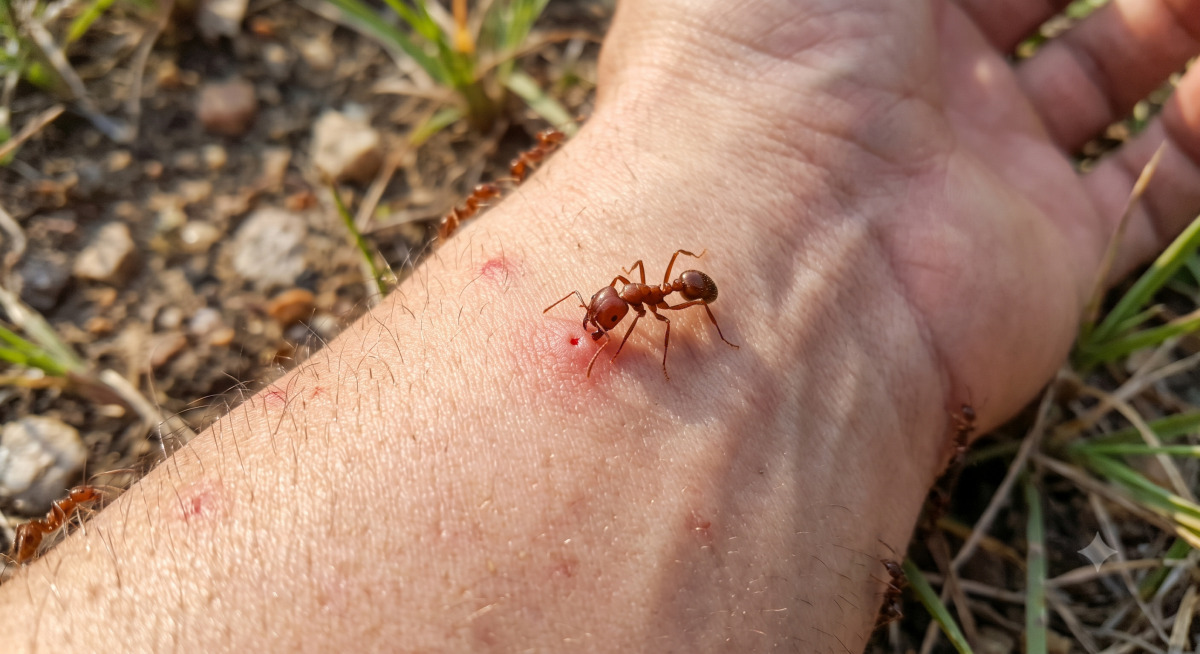
These ants are attracted by sucking pests like aphids, and are difficult to ward off. Even if the aphids are controlled, the persistent fire ants will start attacking the stems of plants like brinjal, okra, and even mustard greens (Brassica rapa). The affected plants will suffer visible damage and wilt. The hardy plants will recover but many will die.
Recently, I started growing lotus in small plastic basins in my garden, and the water surface was covered with duckweed (Lemna minor), which protected the water from excessive algal growth and also keep the water relatively clean and oxygenated.
One day, I found the fire ant skating over the water surface using the surface tension provided by the duckweed. An infestation of my lotus ponds by the fire ants was the last straw that broke the camel’s back. 1
Google AI mode to the rescue
I reached out to Google AI Mode for help. This engine are also called Google Overviews. These AI engines can be quite helpful in solving problems, and they indeed were, in my case. The pity is that I did not save the results and now have only my memory to reconstruct the path I took to shoo away the fire ants from my garden.
I started off by asking the AI how to rid my lotus ponds of the fire ants. The AI logically answered that I should reduce the surface of the water covered by duckweed so that the ants could not skim the water surface with impunity. I was also advised to ensure that there was no overhanging vegetation that could give the fire ants “visa-free” access to my lotus ponds.
I then proceeded to the more prevalent problem of the fire ants attacking my brinjal, okra, snake-gourd, and mustard green plants. I asked for suitable biocontrols. And this was where the hunt gets really exciting. The AI at first suggested two remedies, quoted almost verabtim below:
- Phorid Flies (Pseudacteon species).
These tiny, specialized parasitic flies are the ultimate natural enemy of fire ants. They hover over ant trails and inject an egg into the ant’s body. The larva migrates to the ant’s head, causing it to fall off (hence their nickname, “decapitating flies”). They are entirely harmless to your fish, plants, and humans.
I believe that although these flies are available for use in the US and Australia, they are not readily available to me in Coimbatore. So, that was a non-starter.
- Larger Native Ants (Diacamma rugosum/Queenless Ants)
If you see large, solitary, iridescent black ants wandering near your basins, do not kill them. These native Indian ants are fiercely territorial and will actively hunt and kill invading fire ants to protect their foraging grounds.
As a non-specialist, I was at sea to identify theseants if they were in fact actually present.
So, I asked the AI for other biocontrol solutions. And this is where, alas, I have no documentary record of the dialogue but what ie remembered from memory.
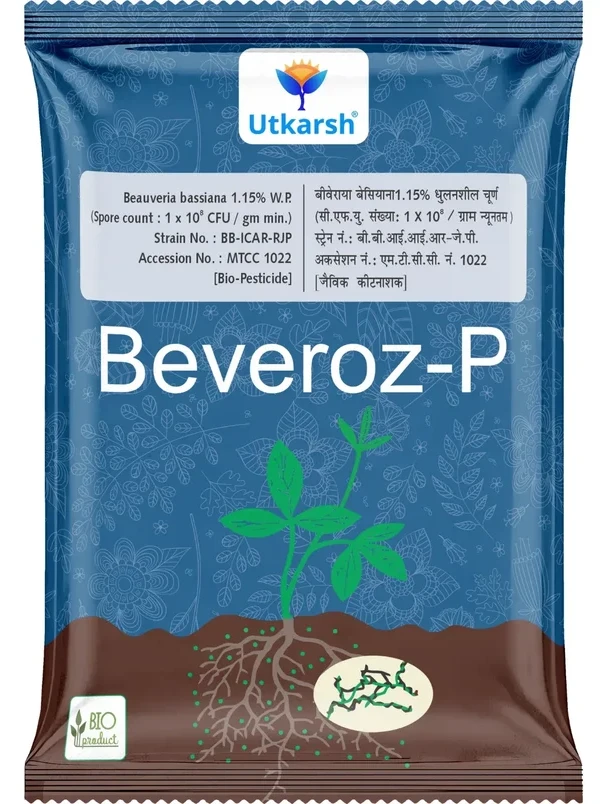
The AI suggested the entomopathogenic fungus Beauveria bassinia as a possible solution. It told me that XXXXX. Give references here.
Utkarsh image
5 to 10 g per litre
deep soil drench through any hols and around ant hills
After 17:00 to avoig UV denaturing the fungus
Repeat weekly until the pest is visibly decimated
Worked.
Acknowledgements
Feedback
Please email me your comments and corrections.
A PDF version of this article is available for download here:
References
If you want to watch a video on this expression, see The Straw That Broke the Camel’s Back Meaning—The Straw That Broke the Camel’s Back Defined.↩︎